TP1
A crane that moves on its own
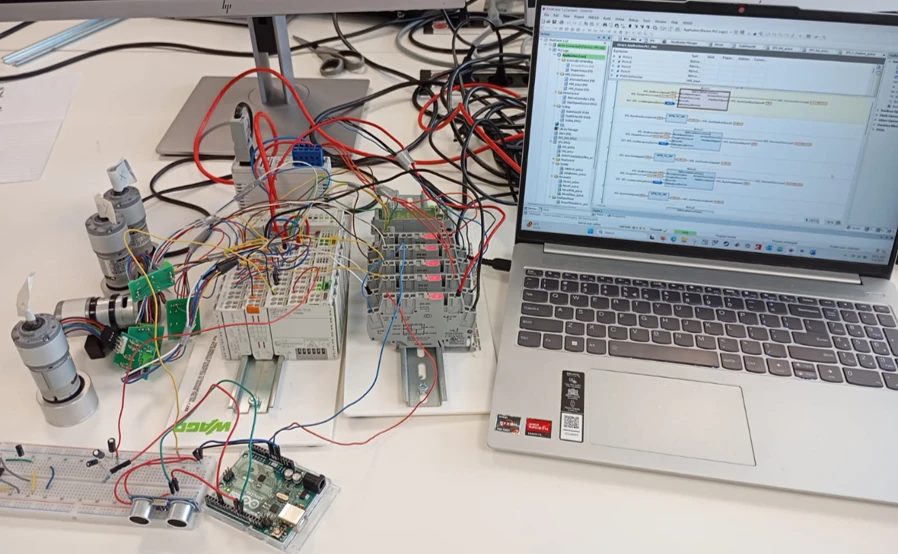
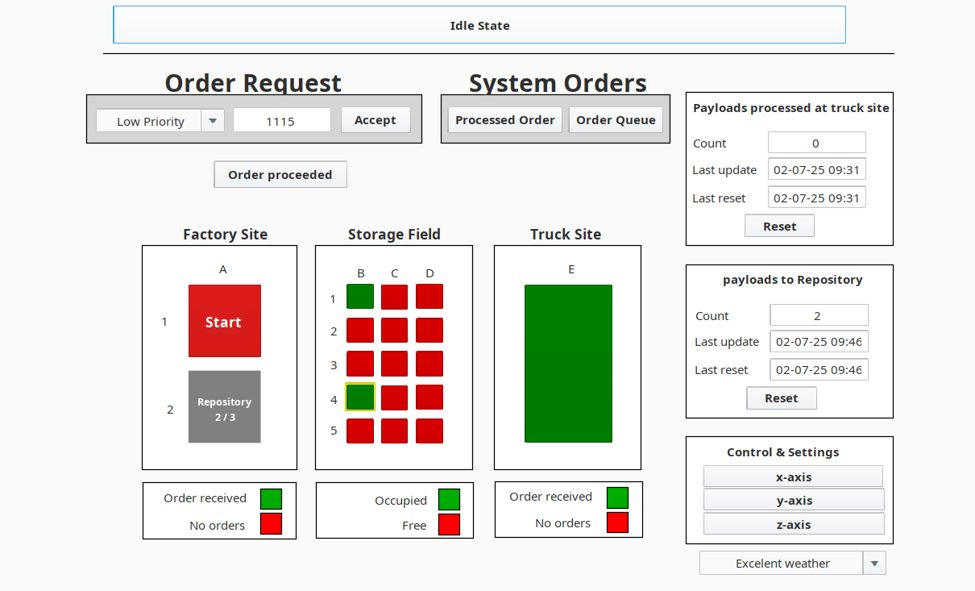
I led my project team in automating a gantry crane, with motion control programmed in CODESYS and an operator interface built in Ignition.
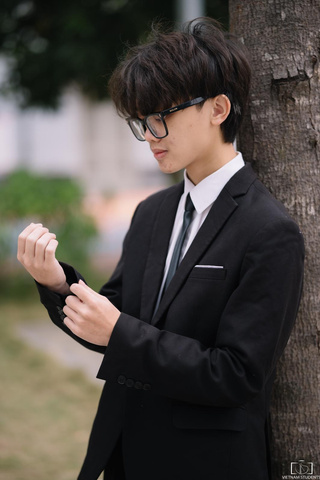
Electrical engineer in the making · Enschede, NL
This isn't a CV. It's the circuit that got me here: where the current started, what charged it up, and where it's flowing now.
or skip straight to what I've built →V1 · Source
Every circuit needs a source. Mine is Hanoi, Vietnam, where I spent my first seventeen years growing up, learning, and figuring out who I wanted to be.
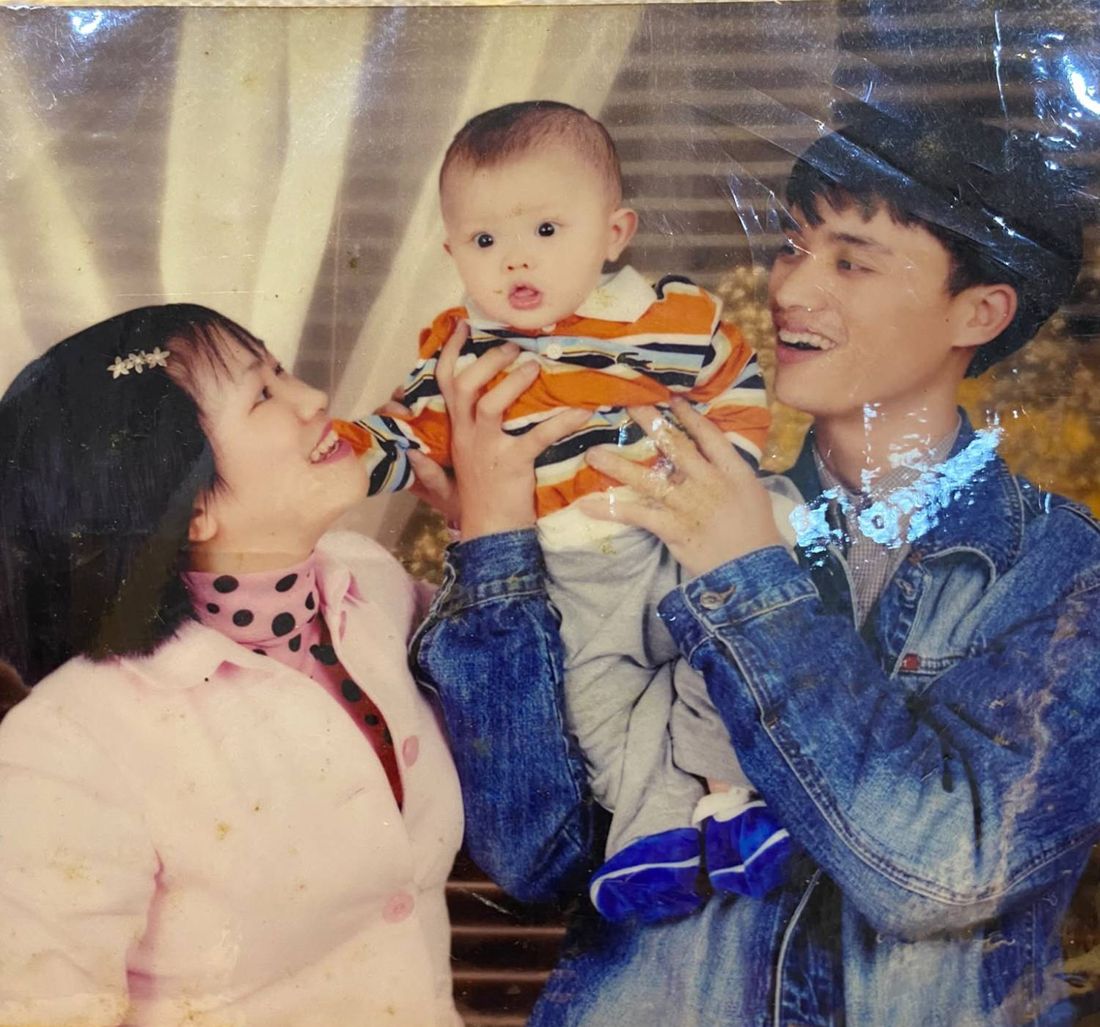
There were four of us at home. Our street was never wide or fancy, but the neighbours looked out for one another the way family does.
What I remember most are the summer afternoon rains. They arrive out of nowhere: the sky darkens, motorbikes pull over, everyone scrambles for their raincoats, and for a few minutes the whole city disappears behind the sound of the rain. Then, just as suddenly, it's gone.
But it never leaves without a trace. The smell of wet streets and warm earth, the heat finally broken, and the sky washed into soft shades of orange and pink as the light comes back. It's a feeling I've carried with me ever since.
Even now, the smell of rain still sounds like home.
C1 · Capacitor
A capacitor doesn't seem to do much at first. It just quietly charges.
Growing up, every machine in our house felt like a puzzle: the cassette player, the TV, the car, the motorbike. I wanted to know how each of them worked. Every so often I'd take one of my electronic toys apart just to see what was inside, then carefully put it back together. None of them ever worked again.

Most of all, I loved watching my dad fix things: a broken appliance one day, a flat tyre the next. I always pictured the day I'd be able to help him.
SG1 · Spark gap
Sometimes everything you've stored up discharges at once.
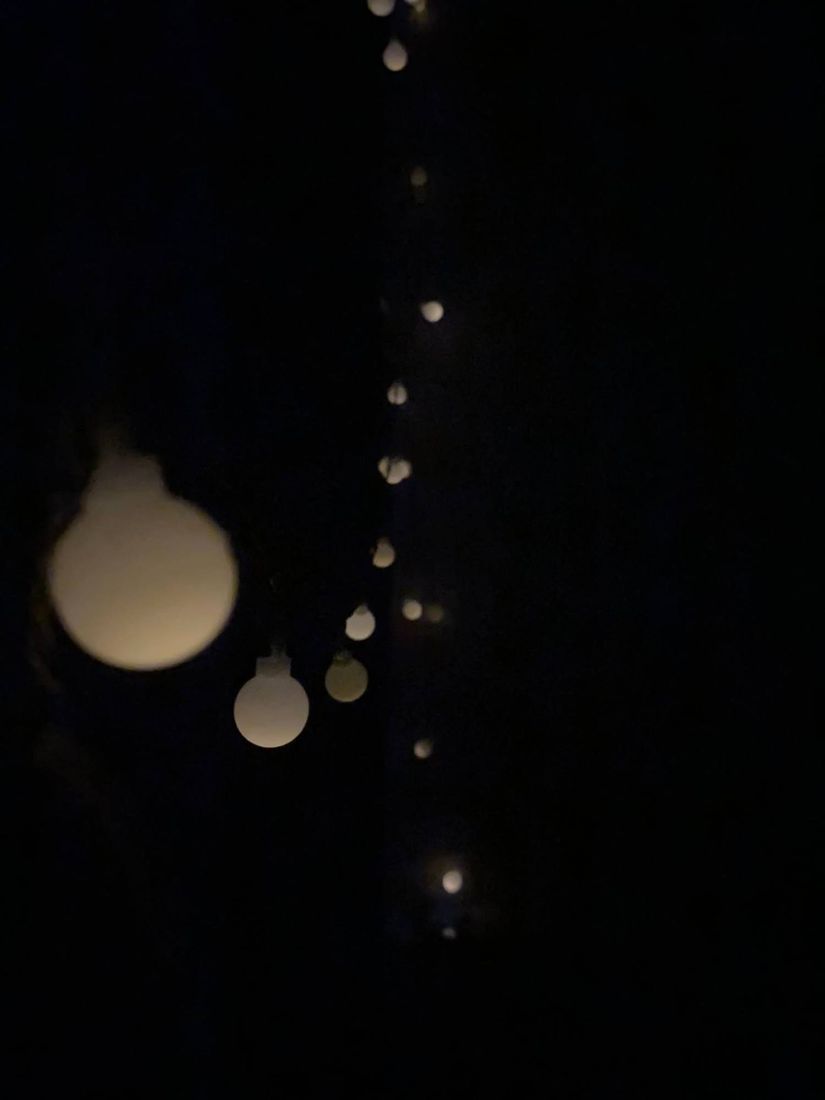
Mine came in ninth grade. I wanted my desk to glow in the dark, so I gathered a few LEDs, a battery, a switch, and far too much glue and tape. Then I flipped the switch, and it lit up.
It was a tiny light, but it was the first one I had ever made myself. That's why this page starts with a switch.
U1 · Amplifier
In 2023 I moved to Enschede to study Electrical Engineering at Saxion. It was the biggest move of my life so far: a new country, a different way of life, and new people, who turned out to be wonderfully kind.
The first three months were tough. I was still learning how to balance my studies with everything else, and homesickness was the hardest part. Some nights the distance felt heavier than any exam, and every time it rained, I caught myself waiting for that Hanoi smell that never came.
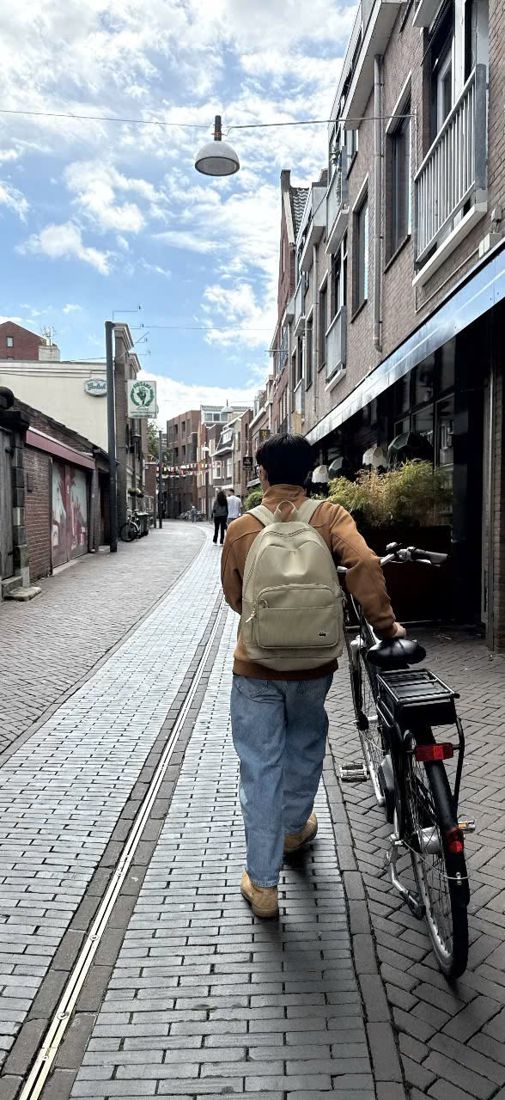
But the Dutch taught me something I still carry with me: however hard it rains, you get on your bike, ride through it, and make it to the end.
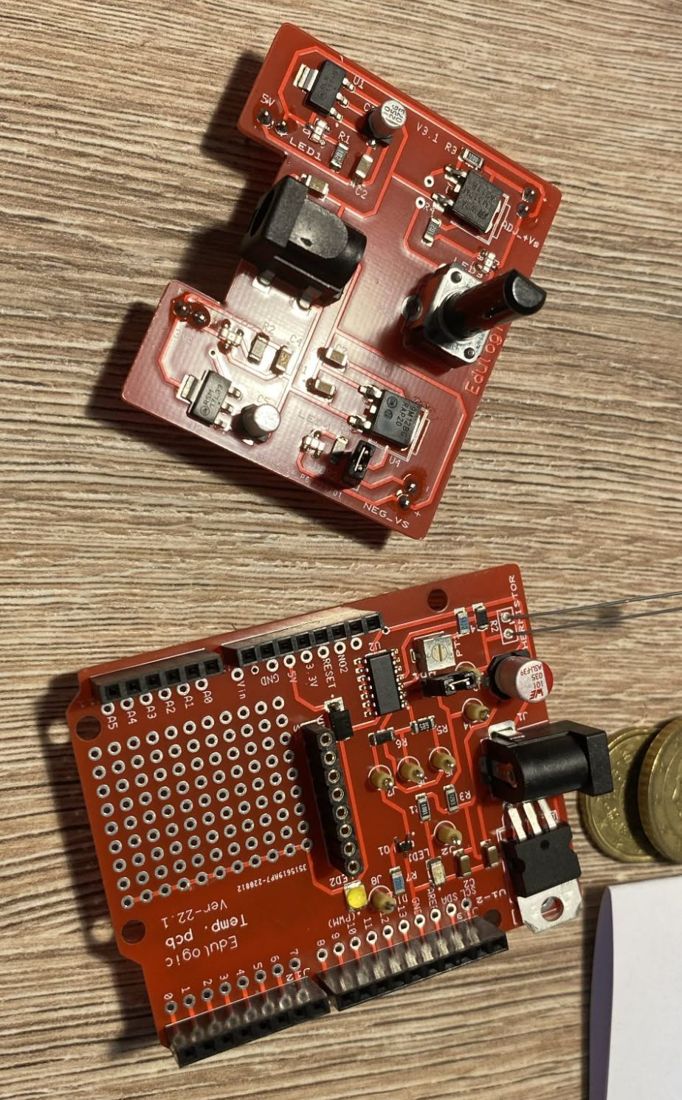
An amplifier takes a small signal and makes it stronger. Along the way, I discovered I enjoy doing that for other people too. In 2025, as a teaching assistant, I spent practical sessions beside first-year students, helping them get their PLC programs running.
D1 · Output
Stored energy only matters once it lights something up. Here's what it has lit so far:
TP1
I led my project team in automating a gantry crane, with motion control programmed in CODESYS and an operator interface built in Ignition.
TP2
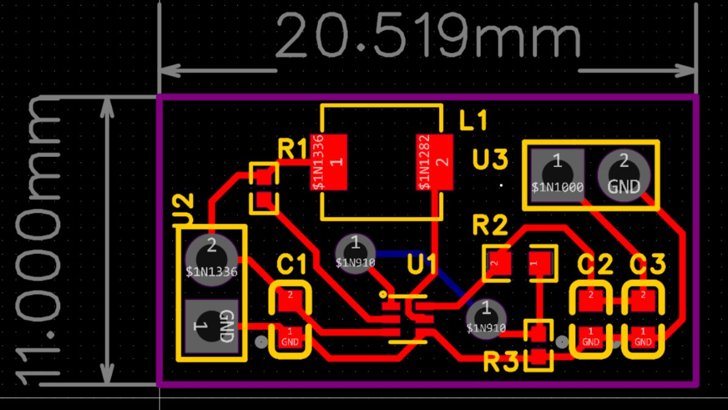
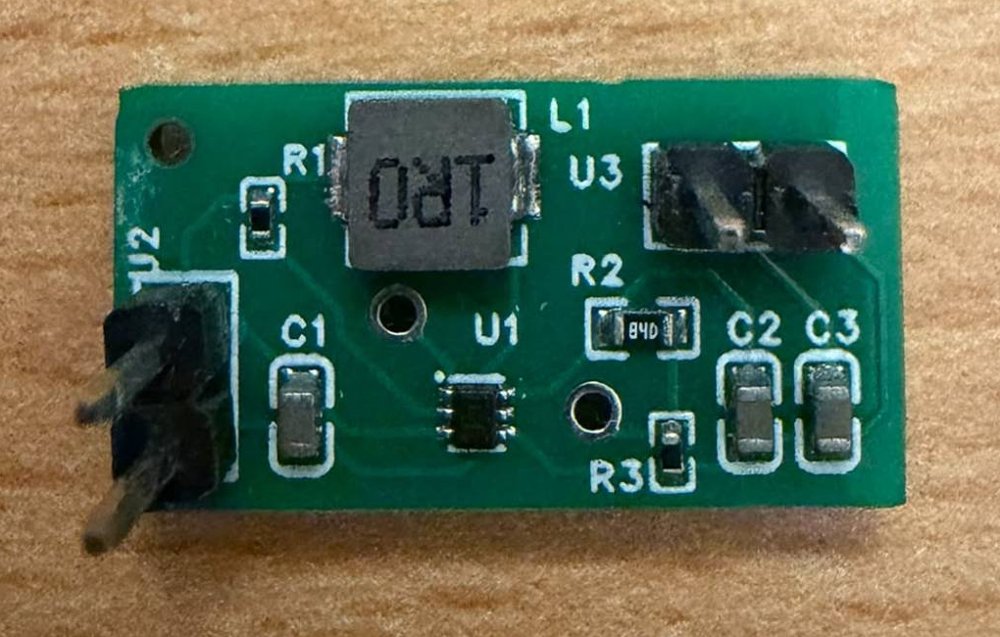
For an active noise-cancelling headphone, I designed the power system: the charging PCB, the buck and boost converters, and battery management for at least five hours of quiet.
TP3
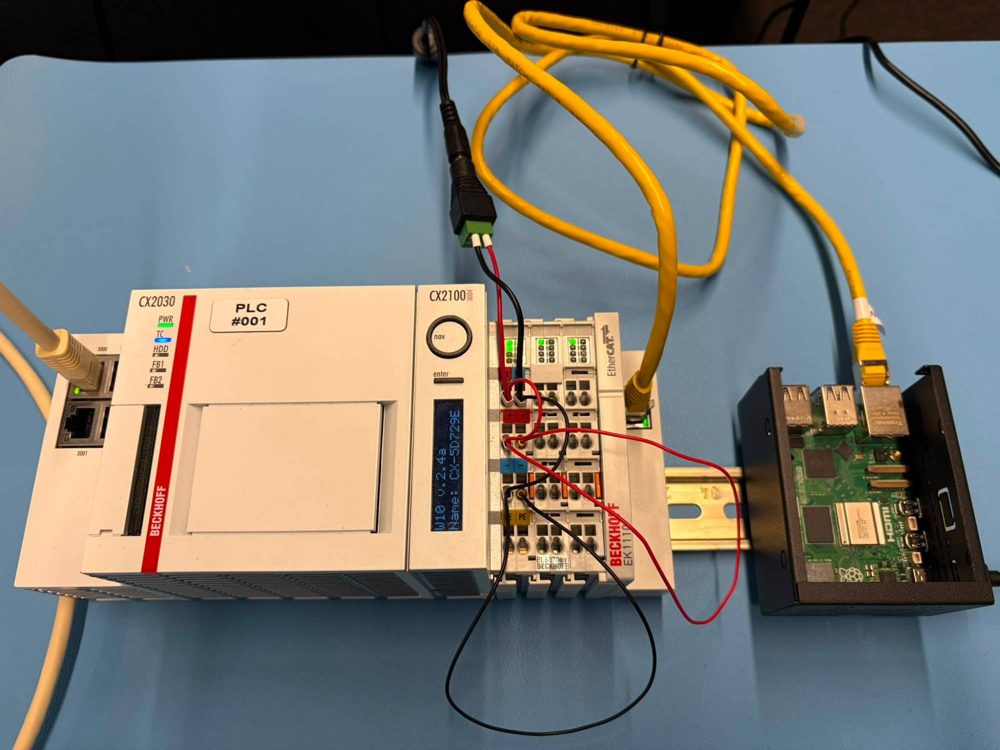
During my internship at Demcon, I built a platform that simulates multiple virtual EtherCAT devices, so engineers can test real controllers without needing the physical hardware.
GND · Ground
Ground is where the current returns home. I'm in my final year now, working out where the wire runs next. If anything here resonated with you, close the loop:
phamnhatha090805@gmail.com